We help life sciences organizations translate space-enabled R&D into tangible clinical, commercial, and financial value on Earth.
The life sciences industry is evolving rapidly, fueled by advances in AI, automation, advanced therapeutics, and increasingly sophisticated biological models. Yet despite this progress, fundamental R&D bottlenecks remain, making drug development a slow, costly, and highly uncertain process.
Poor predictability of preclinical models and limited translation to human outcomes
Stability, formulation, and manufacturability challenges for complex biologics
High attrition rates throughout clinical development
Lengthy development timelines and escalating R&D costs
Increasing pressure to improve R&D productivity while reducing risk
Microgravity offers a fundamentally new environment for understanding and engineering biological systems. By eliminating gravity-driven forces such as sedimentation and convection, it enables cells, tissues, molecules, and materials to behave in ways that are difficult or impossible to observe on Earth.
Microgravity-grown protein crystals form with fewer defects, giving researchers more precise structures to improve drug design and targeting.
Cells and tissues cultured without gravitational bias better mimic in-body conditions, enhancing the predictive accuracy of preclinical testing.
The absence of sedimentation and convection opens novel formulation routes, unlocking gains in stability, solubility, and performance.
Microgravity can reveal biological insights and disease mechanisms that are difficult to observe on Earth, creating new opportunities for therapeutic discovery.

We prioritize the opportunities that deliver real value — grounded in science, driven by economics, and aligned with your strategy.
Microgravity can produce larger, more ordered protein crystals with fewer defects than those grown on Earth, improving structural resolution and revealing features difficult to observe under gravity-driven conditions.
Microgravity supports self-organization and three-dimensional tissue formation.
Microgravity can influence cell proliferation, differentiation, gene expression, and cellular behavior, providing a unique environment to study fundamental biological processes and develop more advanced cell-based research platforms.
Microgravity may alter crystal formation and fluid dynamics, opening new formulation pathways.
Removing convection and sedimentation enables cleaner, more predictable crystal growth and the deliberate discovery of new polymorphs.
Microgravity may enable the production of high-value biological products and materials with unique properties that are difficult or impossible to manufacture on Earth.
Microgravity enables scaffold-free growth, enhanced cellular organization, and the formation of advanced tissue structures, supporting the development of next-generation regenerative therapies and engineered tissues.
The same physiological changes astronauts experience in microgravity mirror conditions widely seen on Earth — offering an accelerated window into mechanisms that normally take decades to study.
Combining space-derived datasets with AI-driven analysis to extract insights at a pace and scale not previously possible.
Critical for the missions ahead — and a proving ground for therapeutics that benefit Earth-bound patients facing similar physiological challenges.
Microgravity-enabled R&D has the potential to generate significant commercial returns while reducing technical and development risk.
We help life sciences organizations turn microgravity-enabled research into commercial opportunities and tangible business value.
We help organizations identify where microgravity-enabled research can create meaningful scientific, technical, and commercial advantages. Our team evaluates opportunities across the drug development lifecycle to determine where space can generate the greatest value.
We transform promising opportunities into actionable initiatives by designing, structuring, and coordinating space-enabled research and development programs. We work with clients to identify the right platforms, partners, technologies, and execution pathways to maximize the probability of success.
We help organizations convert space-derived research and insights into tangible business results. Our focus extends beyond experimentation to creating pathways for commercialization, innovation, and long-term value creation.
Real-world examples of how microgravity translates into measurable scientific and commercial value.
LambdaVision is leveraging microgravity to manufacture next-generation artificial retinas designed to restore sight for patients with retinitis pigmentosa and age-related macular degeneration. On Earth, gravity-driven sedimentation and convection limit the uniform assembly of the protein layers their retina depends on; in orbit, that constraint disappears, enabling highly uniform thin-film assembly via an automated, closed-loop fluidic system built with Space Tango.
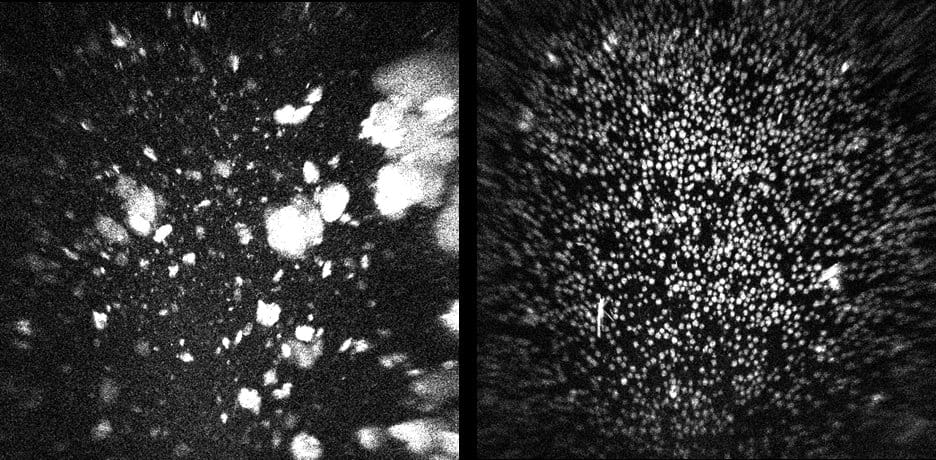
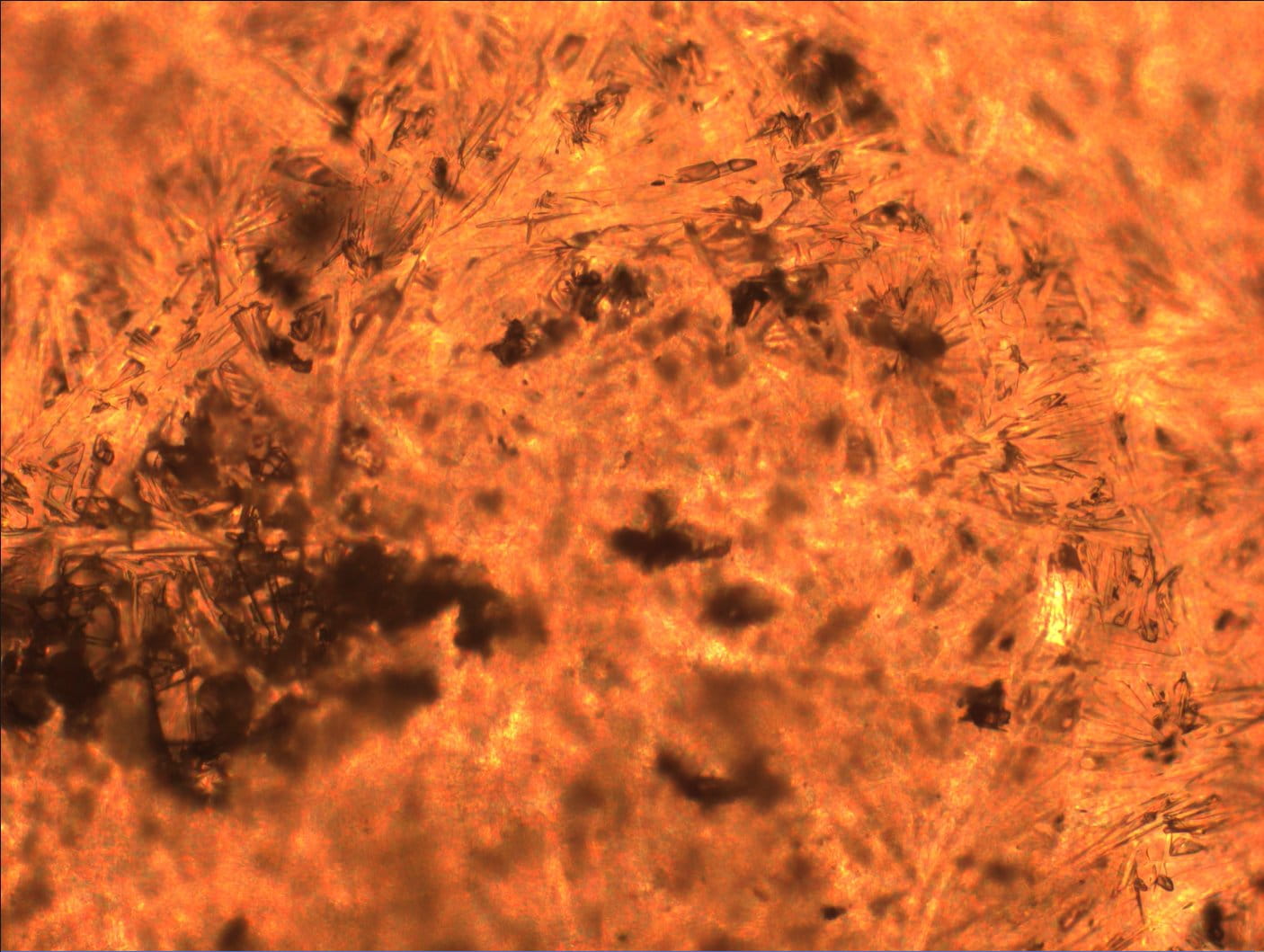
Merck is leveraging microgravity to optimize the crystallization and formulation of pembrolizumab (Keytruda), its blockbuster PD-1 checkpoint inhibitor. Aboard the ISS, the absence of convection and sedimentation produces more uniform, higher-quality protein crystals — as shown in the comparison above — enabling higher-concentration formulations that could support a long-acting subcutaneous format and reduce dependence on hospital-based IV infusion.
The Sanford Stem Cell Institute is leveraging microgravity to enhance stem cell growth, organization, and therapeutic potential. Removing gravitational load lets stem cells self-assemble into more complex, three-dimensional structures than is typically possible in standard Earth-based culture, helping researchers study differentiation pathways under conditions that more closely mirror native tissue formation — unlocking new pathways for scalable regenerative medicine.
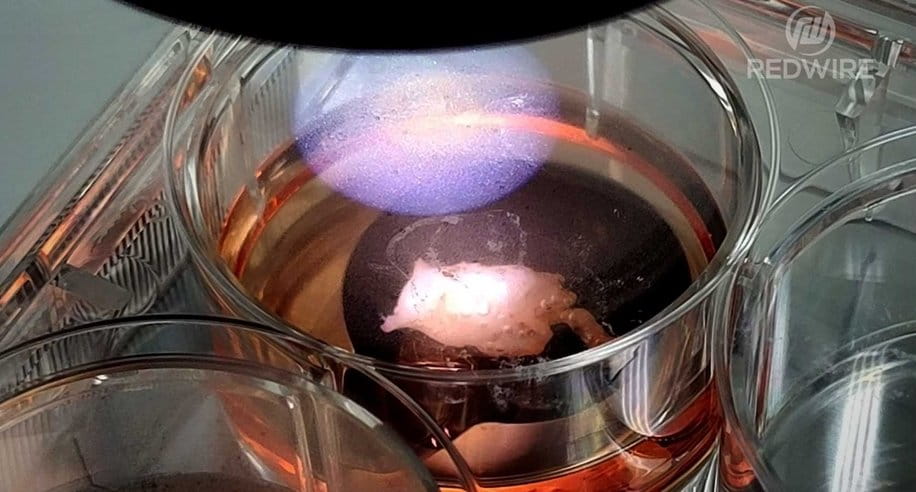
Redwire is utilizing microgravity to construct viable cardiac tissue, pushing the boundaries of what can be achieved in tissue engineering. Bioprinting in orbit avoids the gravitational settling that distorts soft tissue scaffolds on Earth, allowing thicker, more uniformly vascularized constructs to take shape — a step toward lab-grown tissue that could one day support heart repair without donor transplants.
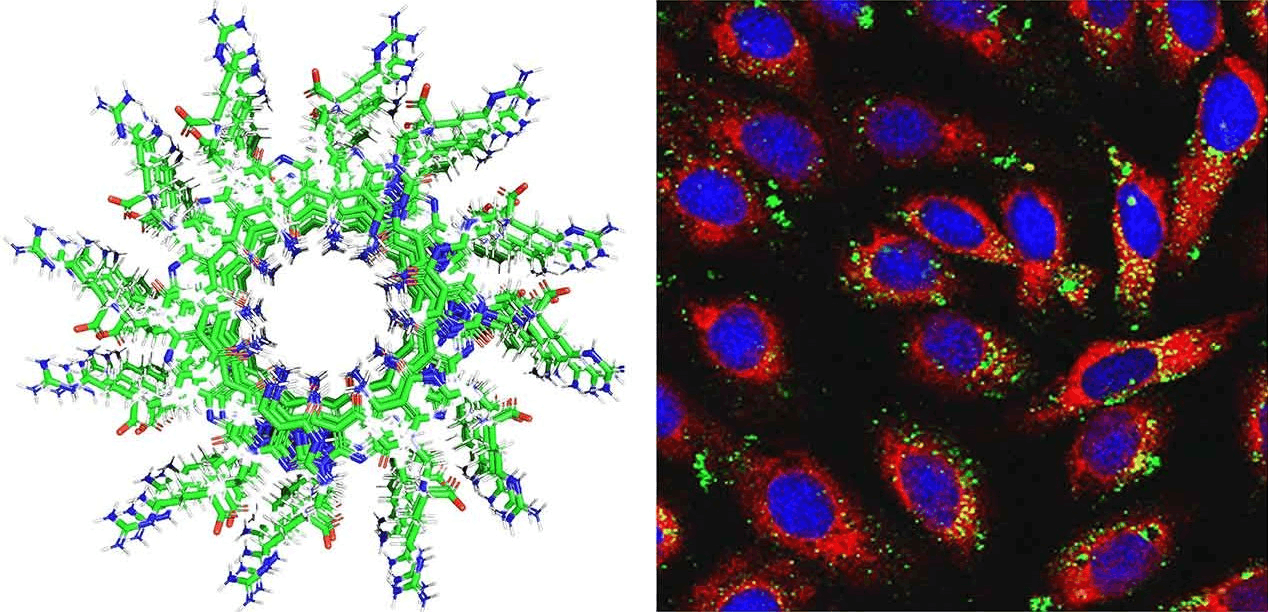
Eascra Biotech's Janus base nanomaterials — self-assembling scaffolds that deliver fragile RNA drugs into hard-to-reach tissue — suffered from uneven assembly on Earth due to gravity-driven convection. Partnering with Axiom Space and the ISS National Lab, Eascra flew production to orbit and saw the nano-matrix come back up to 40% more uniform and denser, with RNA cargo that stayed bioactive at room temperature for months.
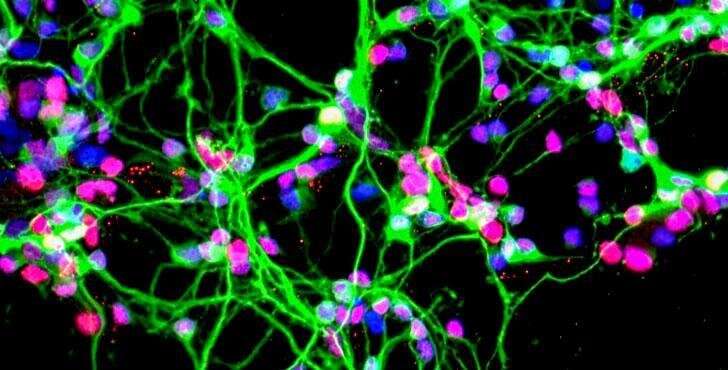
Cedars-Sinai is leveraging microgravity to investigate the growth and maturation of brain organoids — three-dimensional, stem cell–derived neural tissues that recapitulate key aspects of human neurodevelopment and disease. Without gravity-driven sedimentation, organoids can grow more symmetrically and reach greater structural complexity, offering a clearer window into early neurodevelopmental processes and disease onset.
LinkGevity is leveraging microgravity to investigate the biological mechanisms that drive aging, with a focus on cellular stress, DNA damage, and regenerative decline. Microgravity acts as an accelerant for many of these processes, compressing years of gradual age-related change into the timeframe of a single mission and giving researchers a faster, more tractable path to identifying interventions that could slow or reverse them.
In 1998, Abbott's HIV drug ritonavir spontaneously crystallized into a less-soluble form and had to be pulled from the market, costing an estimated $250M and becoming pharma's textbook polymorph crisis. Varda recreated that same metastable crystal form aboard its W-1 capsule, where the absence of convection and sedimentation allows more controlled crystallization, and returned it to Earth intact — the first proof that pharmaceutical compounds can be processed in orbit reliably enough for a real manufacturing pipeline.
Encapsulate's tumor-on-a-chip system grows a patient's own tumor cells outside the body and tests chemotherapy on the replica before the patient takes a dose. Flying the chip to the ISS as an autonomous CubeLab with Space Tango compresses what takes about a year to observe on Earth into a few weeks, since microgravity accelerates how cancer responds to treatment — with blind trials on archived samples already matching clinical outcomes over 96% of the time.
Aspera is developing Rebecsinib, a first-in-class inhibitor targeting ADAR1, the protein cancer stem cells use to evade the immune system and drive relapse across more than 20 cancers. In microgravity, those stem cells age and adapt up to seven times faster, letting Aspera's nanobioreactors compress years of relapse biology into days, while parallel ADAR1p150 crystallization flights using Redwire's PIL-BOX hardware are mapping the protein's structure to guide an oral formulation now headed toward clinical trials.
Auxilium Biotechnologies' AMP-1 orbital bioprinter produced kidney and liver tissue aboard the International Space Station in June 2026 — the first time either tissue type has been manufactured in space. Working from cell and tissue designs developed with the Wake Forest Institute for Regenerative Medicine, the mission also bioprinted cartilage and 28 nerve repair implants, with the printed materials returning to Earth intact aboard a SpaceX Dragon capsule. WFIRM director Anthony Atala pointed to the uniform cell distribution achieved in orbit as a real path toward manufacturing medical devices and tissues in space.
We work with organizations across the life sciences value chain, helping them identify and capture the scientific, strategic, and commercial opportunities enabled by microgravity.
Unlock the Potential of Microgravity
Whether you're exploring initial opportunities or advancing specific programs, we help translate microgravity capabilities into actionable, commercially viable initiatives.